Anthropic says outbound automation doubled in three months. Here’s who’s actually capturing it.
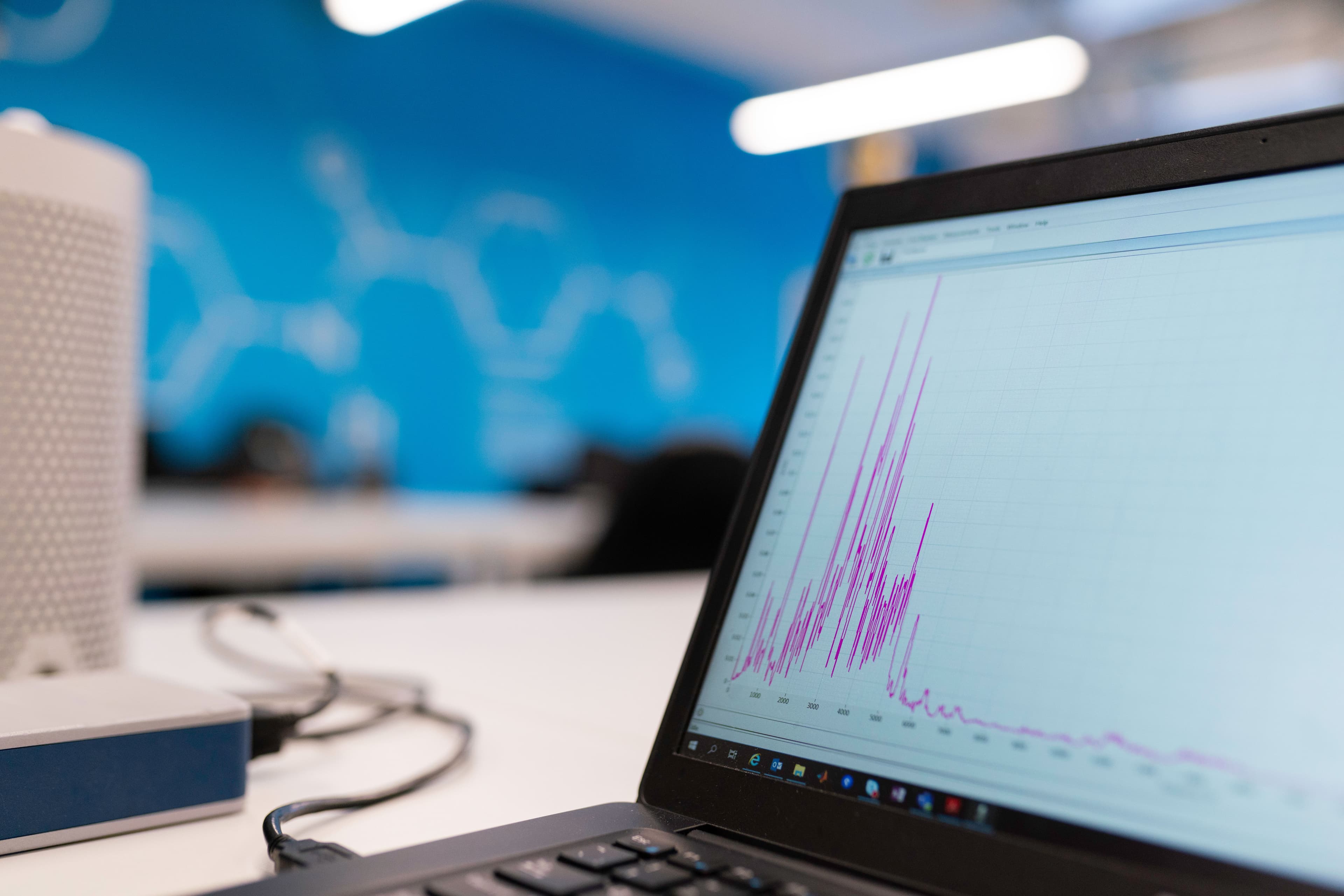
Anthropic’s own usage data, published in its March 2026 Economic Index report, names a category it calls "business sales & outreach automation": B2B lead qualification research, customer data enrichment, and cold-email drafting. Between November 2025 and February 2026, that category was one of only two API workflow categories Anthropic tracked that at least doubled in share of traffic. Not grew. Doubled, in three months.
That’s real. It’s not a projection, not a vendor pitch, not "research shows." It’s Anthropic reporting its own first-party usage. If you sell into outbound-heavy teams, or you run one, that number should get your attention.
It should not, on its own, make you feel behind.
The rest of the picture
Anthropic’s report goes further than the headline stat. Its business and API users already skew heavily toward full automation rather than back-and-forth collaboration: 77% of business use follows an automation pattern, where Claude completes a task directly, compared to roughly 50% for individual Claude.ai users. And in a separate September 2025 Economic Index report, Anthropic cites US Census Bureau survey data showing overall AI adoption among American firms has more than doubled in under two years, from 3.7% in fall 2023 to 9.7% in August 2025.
Every part of that is genuinely fast, genuinely real growth. None of it is hype. Say that plainly, because the next part matters more, and it only lands if the first part wasn’t oversold.
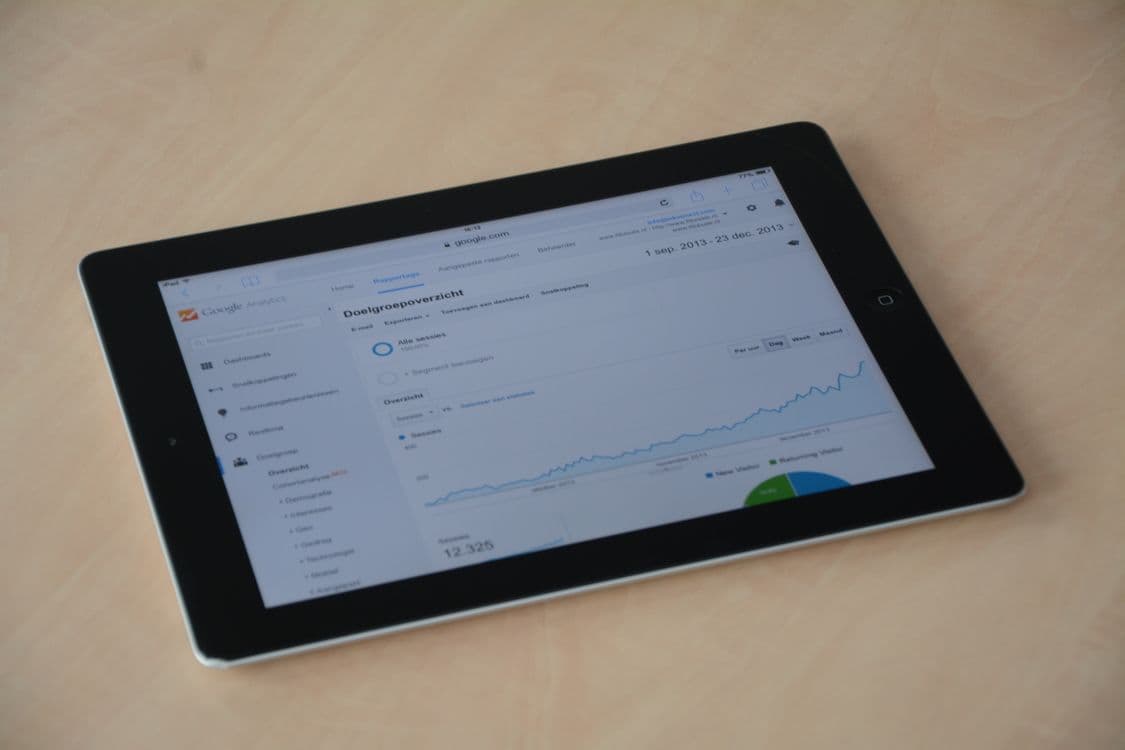
The Census Bureau’s own May 2026 release, drawing on the same Business Trends and Outlook Survey window Anthropic cites, adds the detail Anthropic’s report doesn’t: who’s actually behind that growth. Between December 2025 and May 2026, AI use increased among firms with at least 20 employees. It did not change significantly among firms with fewer than 20. Firms with four or fewer employees sat under 20% adoption the entire period. Meanwhile 37% of firms with at least 250 employees, and 32% of firms with 100 to 249 employees, reported using AI in their operations.
Put the two reports side by side and a specific shape appears. The fastest-growing AI capability Anthropic has on record happens to be an outbound-shaped one. And it’s being captured almost entirely by firms sitting above the 20-employee line, the exact line that marks the top edge of a typical ICP2 company.
Why the gap isn’t a capability gap
It would be easy to read that and conclude Claude can’t yet do outbound work for a smaller team. That’s not what either report says. Anthropic’s own numbers say the opposite: the tasks driving this doubling, lead qualification research, data enrichment, cold-email drafting, are exactly the tasks outbound teams at 3-20 person companies run every day.
The gap is workflow infrastructure, not AI capability. Capturing that automation-pattern rate Anthropic reports requires a defined workflow behind the task, not just a capable model. A 20-plus person firm is more likely to already have that codified somewhere. A 3-20 person company usually has it scattered across someone’s head and a spreadsheet, which means every one of those tasks stays AI-assisted instead of becoming automated, no matter how good the model underneath it gets.
Inside an actual outbound SOP, Claude fits specific, narrow stages: classifying a reply, summarizing evidence about a prospect from source material you already have, drafting against a schema you’ve already defined. It does not fit deciding who to contact, approving a claim that goes in front of a prospect, or inventing personalization when there’s no source material behind it. Those stay human-owned, not because Claude is incapable, but because the risk of getting them wrong sits with you, not with the model.
This isn’t about which AI you use. It’s about what’s built around it. Claude is one component inside a larger piece of workflow infrastructure. The source-material rules, the output schema, and the routing logic around it are what actually determine whether a task like this becomes automated, or stays something you’re doing by hand with an AI-shaped step in the middle.
Where that leaves a 3-20 person company
The businesses capturing Anthropic’s growth number aren’t winning because they have a better model. You have access to the same one they do. They’re winning because the workflow already exists underneath it.
If you want to know which of your own outbound stages could already be running at that automation-pattern rate, if the workflow around it existed, book a free workshop. We’ll look at your actual SOP and show you exactly where Claude fits, and where it doesn’t, not where it sounds impressive on a slide.